


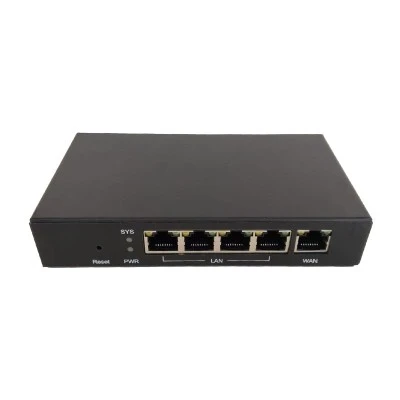
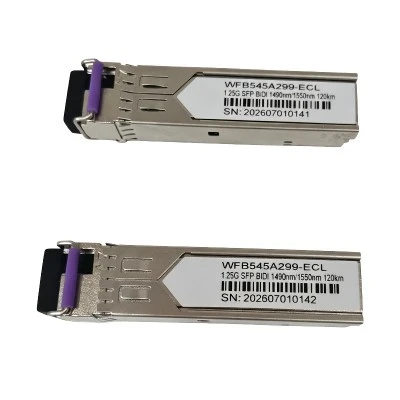

An optical modem and a router are two distinct devices, each playing a specific role in network connectivity.
First, the optical modem-also known as an optical terminal unit-is a device that converts optical signals into electrical signals. The term "optical" in its name refers to these light-based signals, a designation reflecting their exceptionally high transmission speeds. In the context of network connectivity, the optical modem plays a crucial role: it receives optical signals transmitted via fiber-optic trunk lines and converts them into electrical signals that can be recognized by devices such as computers and routers.
Next, the router is a network device primarily designed to interconnect multiple devices and enable them to share a single internet connection. By utilizing switching mechanisms, a router establishes an independent Local Area Network (LAN), allowing for the connection of numerous devices and the provision of wireless network services.
Optical modems and routers each fulfill their own specific functions. The optical modem is primarily responsible for signal conversion and network access, whereas the router handles the interconnection of devices and the transmission of data between them. It is important to note that, although optical modems and routers operate as independent units, they typically need to be used in tandem to establish a functional network connection. In other words, you require an optical modem to receive the optical signals transmitted by your Internet Service Provider (ISP) and convert them into electrical signals; subsequently, you use a router to distribute these electrical signals to the various devices within your home.

