


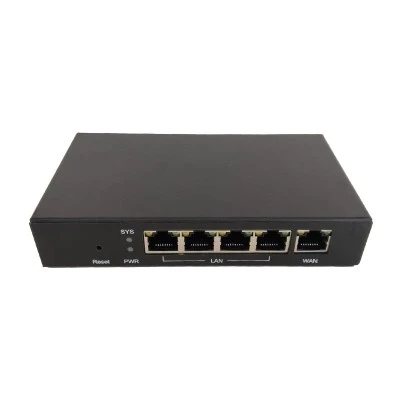

A Wi-Fi repeater is a device designed to extend the coverage area of a wireless network; it addresses issues such as signal dead zones or weak coverage by receiving signals from a main router and rebroadcasting them. The following are its core technical highlights:
Core Operating Principles
Signal Reception and Forwarding:** The repeater operates at the Physical Layer (OSI Layer 1) and the Data Link Layer (Layer 2); it receives the Wi-Fi signal from the main router, amplifies or regenerates it, and then retransmits it-without performing routing, NAT, or DHCP allocation functions.
Simultaneous Reception and Transmission on a Single Channel: Consumer-grade repeaters typically utilize the *same wireless module and channel* to simultaneously receive and forward data. This results in a *halving of bandwidth* (representing a theoretical throughput loss of approximately 40–50%).
SSID Consistency: Most repeaters adopt the same SSID and password as the main router to facilitate "pseudo-seamless" switching between devices. However, they *do not support 802.11k/v/r fast roaming* protocols, which may lead to a brief disconnection of 0.5 to 3 seconds during the handover process.

