


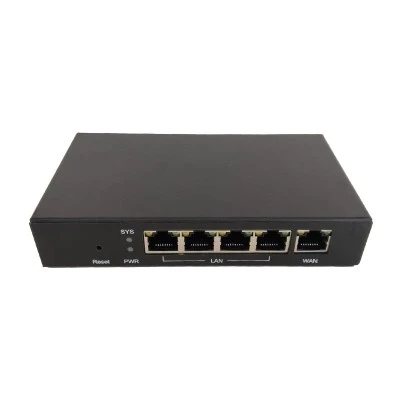

The research, development, and production process for wireless routers primarily encompasses two major areas: hardware development and software development.
Hardware Development Process
Defining Hardware Principles: First, it is essential to gain an in-depth understanding of the operational principles behind the hardware of small-scale home routers (typically featuring one WAN port and four LAN ports); this serves as the foundation for the entire R&D effort.
Circuit Board Design and Manufacturing: Based on the established hardware principles, the circuit board is designed-a process that includes circuit routing and layout. Subsequently, components are soldered into place to ensure that all hardware elements are correctly interconnected.
Hardware Debugging: Once the circuit board manufacturing is complete, the hardware board undergoes debugging to verify that its performance is stable and meets all design specifications.
Software Development Process
Kernel Customization: Based on an analysis of the uClinux kernel source code, the uClinux operating system kernel is customized (or "trimmed") to specifically suit the unique requirements of the router.
Server Configuration and Script Design: The Boa Web server is configured, and CGI scripts are designed to enable dynamic web page functionality, thereby facilitating user configuration and management of the router.
PPPoE Dial-up Configuration: The PPPoE dial-up feature is configured, enabling the router to establish a connection to the Internet.
Firewall Rule Configuration: Utilizing the iptables tool, firewall rules are implemented within the Linux kernel's firewall module to ensure the network security of the router.

