


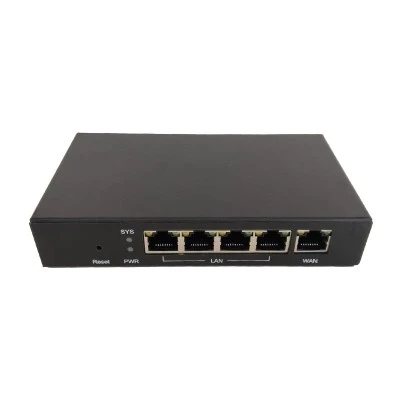
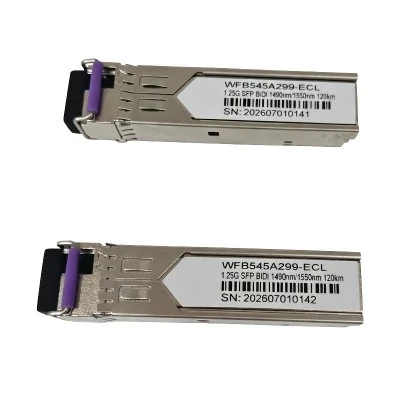

An LTE router features a built-in LTE module capable of receiving and transmitting wireless signals within LTE frequency bands. When a user connects a device to the LTE router, the router facilitates data exchange with the Internet via the LTE network, thereby enabling web access. Concurrently, LTE routers retain the core functionalities of traditional routers-such as NAT (Network Address Translation), DHCP (Dynamic Host Configuration Protocol) allocation, and firewall protection-to ensure the security and stability of user device connections.
LTE routers must adhere to relevant industry standards, such as the LTE specifications established by the 3GPP. In terms of performance metrics, users should prioritize factors such as the router's maximum download and upload speeds, supported network frequency bands, antenna gain, and coverage area. Certain high-end LTE routers support multi-band LTE networks, offering faster download speeds and more extensive coverage. Furthermore, antenna gain is a critical factor influencing router performance; high-gain antennas enhance signal reception and transmission capabilities, thereby improving connection stability.

