


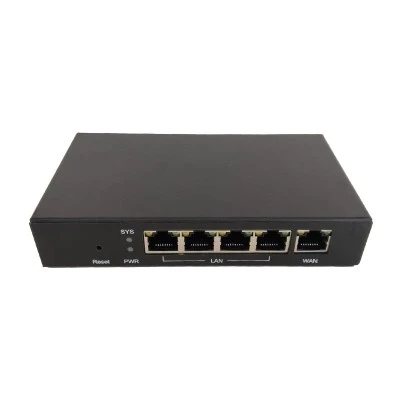
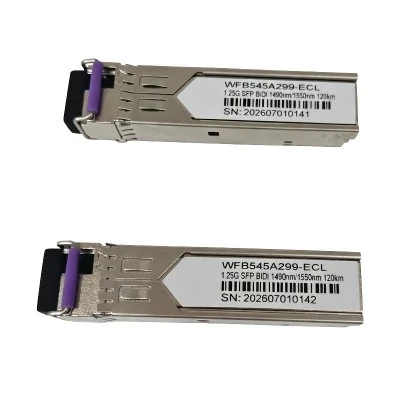

Ethernet switches facilitate the precise forwarding of data frames based on a MAC address table. When a device connects to a switch port, the switch automatically learns and records the correspondence between the device's MAC address and the specific port, thereby populating the MAC address table. Upon receiving a data frame, the switch consults this table using the destination MAC address to forward the data exclusively to the intended destination port, rather than broadcasting it to all ports. This mechanism significantly reduces network collisions and enhances transmission efficiency.
Multi-Port Parallel Transmission: Supports the simultaneous transmission and reception of data across multiple ports, enabling collision-free communication in full-duplex mode.
VLAN Segmentation: Utilizes Virtual Local Area Network (VLAN) technology to partition a physical network into multiple logical subnets, thereby achieving traffic isolation and security control.
QoS Priority Scheduling: Assigns bandwidth priorities to different types of service traffic (e.g., voice, video) to ensure low-latency transmission for critical applications.
Link Aggregation: Bundles multiple physical ports into a single logical link to increase available bandwidth and enhance redundancy.

