



Wireless Standard: Compared to Wi-Fi 5, Wi-Fi 6 (802.11ax) offers higher speeds and lower latency. It is better equipped to support simultaneous connections from multiple devices as well as high-speed data transmission; therefore, it is recommended to prioritize routers that support Wi-Fi 6.
Frequency Bands: Dual-band routers (2.4GHz + 5GHz) strike a balance between network coverage area and transmission speed. The 2.4GHz band offers a wide coverage range but has relatively slower transmission speeds, whereas the 5GHz band provides faster speeds but has weaker wall-penetration capabilities. Users can select the appropriate frequency band based on their specific usage scenarios.
Device Capacity: Choose a router with a suitable device capacity based on the number of devices you need to connect. For home users, it is recommended to select a router capable of supporting 50 or more connected devices to adequately meet the networking needs of the various smart devices within the household.
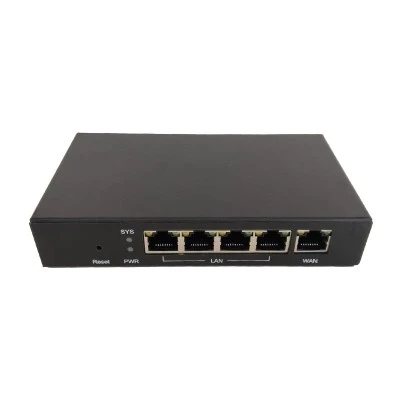
LAN/WAN Port Speeds: If you are using a high-speed broadband connection-such as one exceeding 500Mbps-you should select a router equipped with Gigabit Ethernet ports to ensure that your network access speed can fully leverage the performance capabilities of your broadband service.
Processor and Memory: A high-performance processor and sufficient memory ensure that the router operates stably even when handling multiple simultaneous connections, thereby preventing issues such as network lag or dropped connections. Users with demanding requirements for network performance should pay close attention to the router's hardware specifications.

