


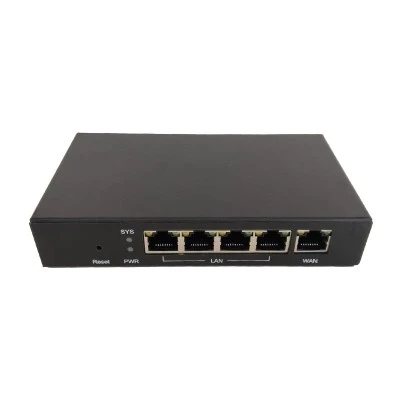
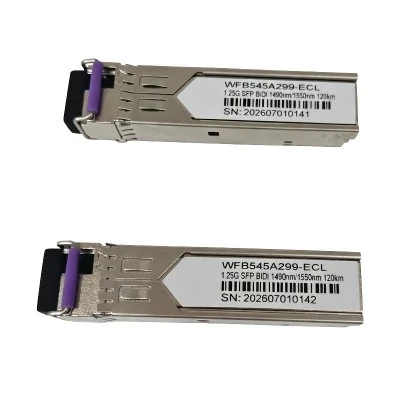

Application Scenarios: Home users should prioritize models capable of supporting 50–100 connected devices and featuring Wi-Fi 6 support. Enterprise users should select models capable of supporting 200–1,000 devices, based on their employee count. Industrial environments require verification of dust and water resistance ratings (e.g., IP65) as well as interface types.
Performance Parameters: Key metrics to consider include NAT forwarding performance (which impacts concurrent device handling), wireless speeds (e.g., AC1200 denotes 300 Mbps on the 2.4 GHz band plus 867 Mbps on the 5 GHz band), and device capacity (note that actual tested values may fall below the manufacturer's stated specifications).
Scalability: Enterprise-grade and industrial-grade routers must support features such as VLAN segmentation, VPN tunneling, and multi-WAN load balancing to accommodate future network upgrade requirements.
Brand and After-Sales Support: Opting for brands with a significant market share helps ensure access to software updates and technical support. For industrial-grade routers, it is essential to verify the warranty period (typically 1–3 years) and the vendor's response time for support inquiries.

